Zero waste living in a UK home

Cut household waste without turning life upside down

Most zero waste advice starts with a shopping list. Ours starts with your bin. Spend one week noting what you actually throw away, then work on the thing that fills it fastest.

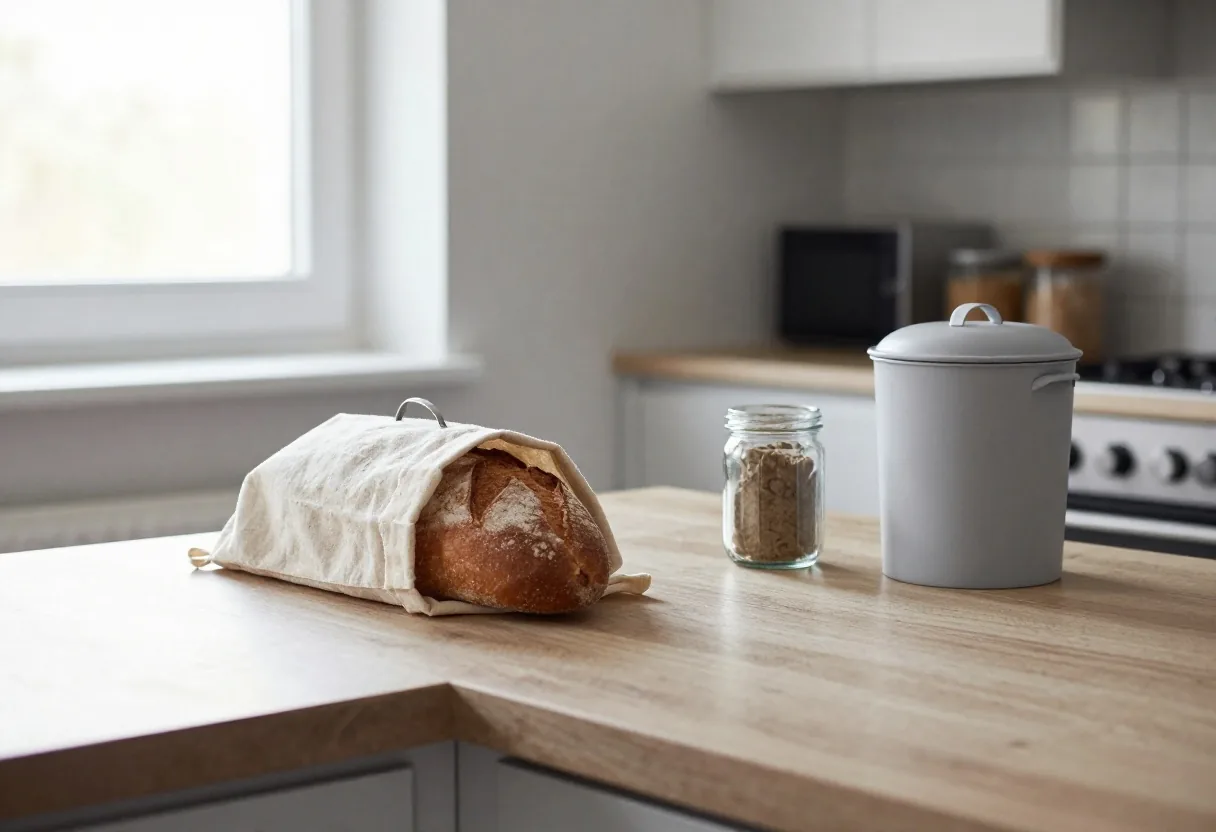
A UK terrace kitchen in late afternoon with a food caddy, bread bag and glass jar on the worktop beside the general waste bin
One week of watching the bin tells you more than any starter kit.

Wondering whether it is worth starting at all? Composting food scraps at home is usually where the weight of the bin actually sits.

A low waste home guide for people who are not about to overhaul everything

Rubbish Rebels is written for renters, families, flat-shares and anyone in a UK home who is tired of the weekly bin run but does not want a new lifestyle. You will find a starter guide for the first month, kitchen swaps and plastic free food storage, upcycling projects, composting for small spaces, and plain guidance on shopping with less packaging.

No guilt, no expensive kit, and no claims that a jar of lentils will save the planet. Sustainable lifestyle habits are built one swap at a time, and the ones that survive a busy Tuesday are the ones worth keeping.

Swaps that stick, set out one line at a time

The first month is three or four changes, not thirty

Buying a bottled drink on the way to work

A reusable water bottle you refill before you leave the house

Test: does it survive a rushed Tuesday?

Loose apples in a thin supermarket produce bag

Reusable produce bags you keep in the bag you always carry

See the reusable produce bags guide

Cling film over a bowl of leftovers

Beeswax wraps — with the usage and care written down once

Wash cool, never hot water

A plastic bread bag every few days

A cotton bread bag that lives in the bread bin

Keep it where the bread is

Takeaway containers stacking up through the week

One container you keep at work, washed on Fridays

Ask the shop to fill it

Write the swaps down somewhere you will actually see them. A note on the fridge does more than an app you forget to open. If a swap keeps failing, it usually adds friction: reusables you have to remember to wash, or a shop that is a bus ride away. Change the swap, not your resolve.

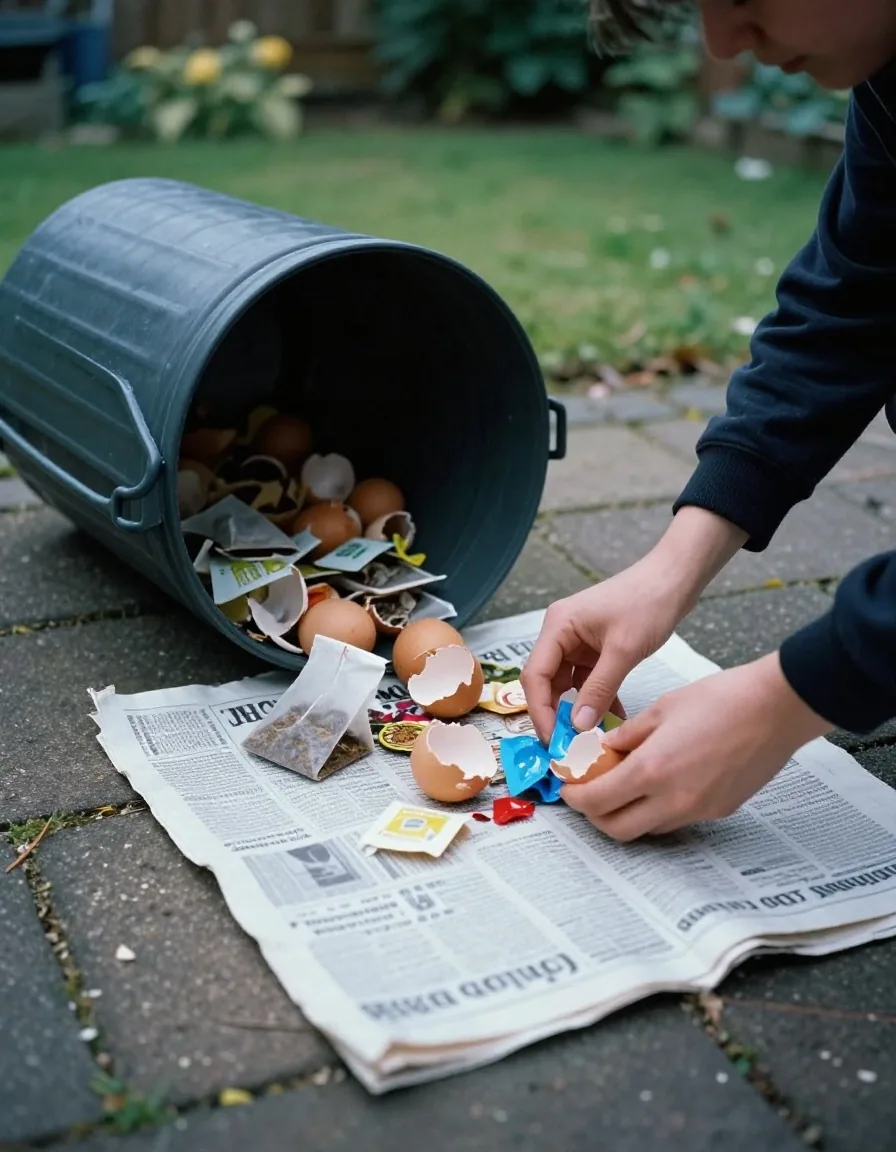
Household waste tipped onto newspaper beside an open bin while two hands sort it into groups

Start with your bin, not a shopping cart

The first useful thing you can do costs nothing. Keep a note for seven days of everything you put in the general waste bin and roughly how much of it there is. Most UK households find the same few categories repeat: food waste, soft plastics that councils will not recycle, takeaway containers, and packaging from online orders.

Once you can see the pattern, pick one category and work on it. Trying to fix all of them at once is how people quit by week three.

Your council's rules matter here, because they vary a lot between boroughs. Some collect glass at the kerbside, some do not. Some accept all plastic pots, tubs and trays, others are stricter. Check your local authority page before you assume something is recyclable, then design your system around what is actually collected where you live.

The site is a map, not a rulebook

Pick the guide that matches the thing annoying you

First month, room by room
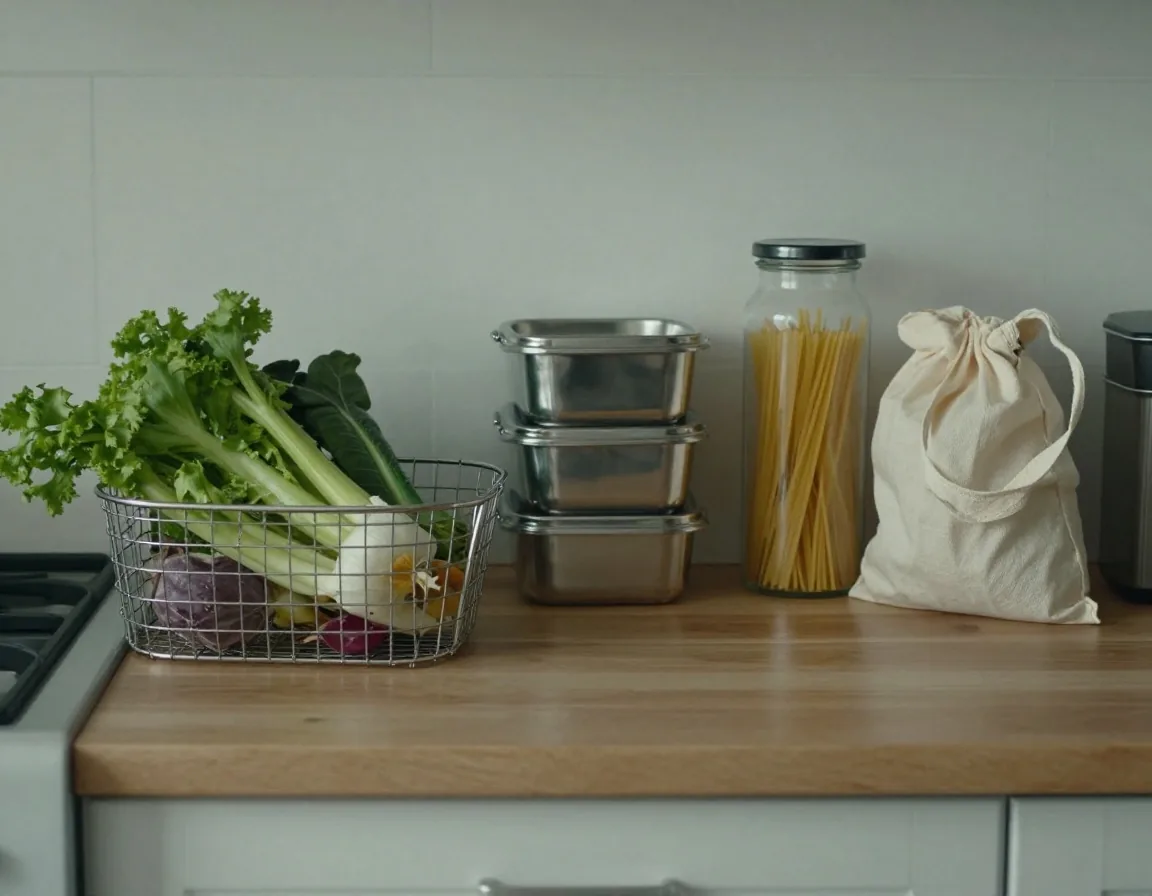
A clean glass jar of dried rice and a refill container on a kitchen windowsill in cool daylight

Zero Waste Starter Guide

A realistic first month: what to watch for in week one, and which few changes are worth making first. This is where zero waste tips for beginners actually work — small, repeated, cheap.

Read the zero waste starter guide
Storage and cleaning
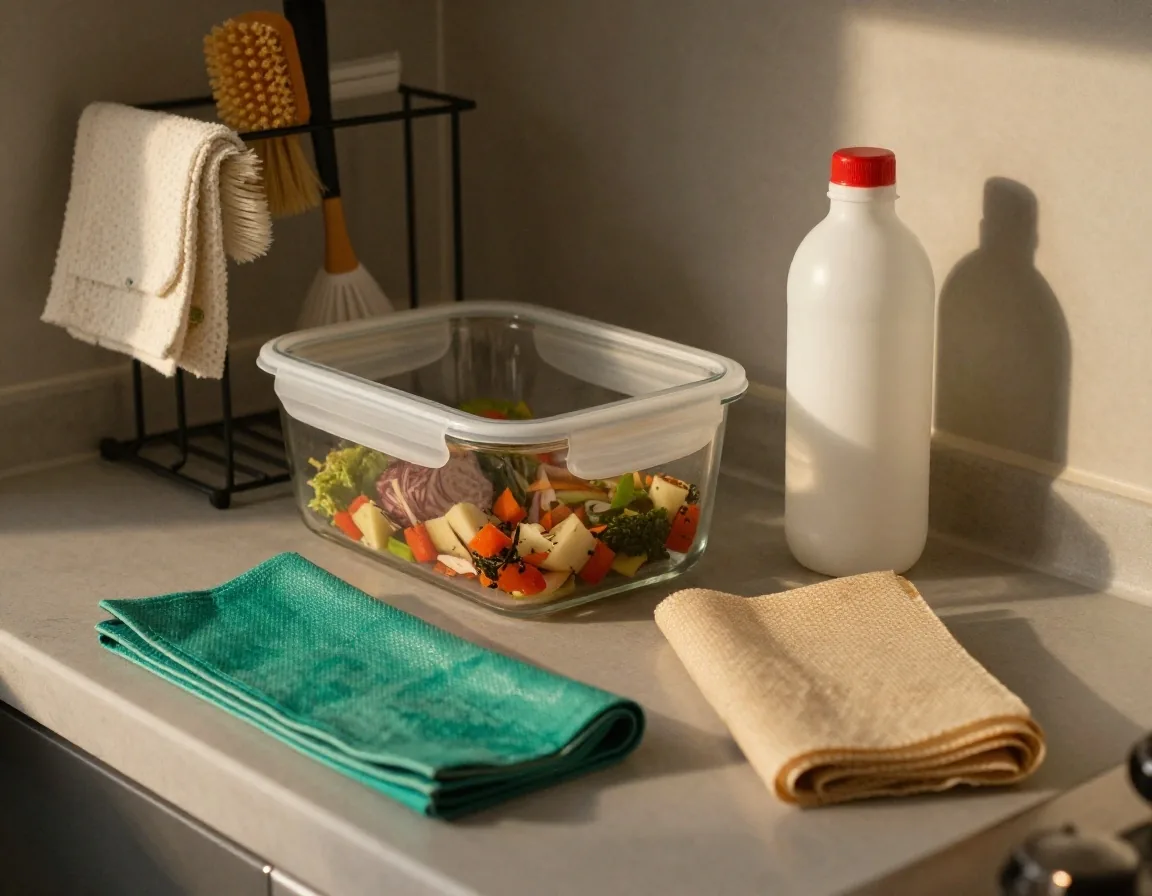
Glass food storage with a beeswax wrap and a refill bottle of vinegar on a kitchen worktop

Kitchen Swaps & Plastic-Free Storage

Zero waste kitchen swaps, plastic free food storage, and eco friendly kitchen cleaning without a shelf of new bottles. Covers beeswax wraps usage and care, plus the sustainable home essentials worth having.

See kitchen swaps and plastic-free storage
Jars, cloth and furniture
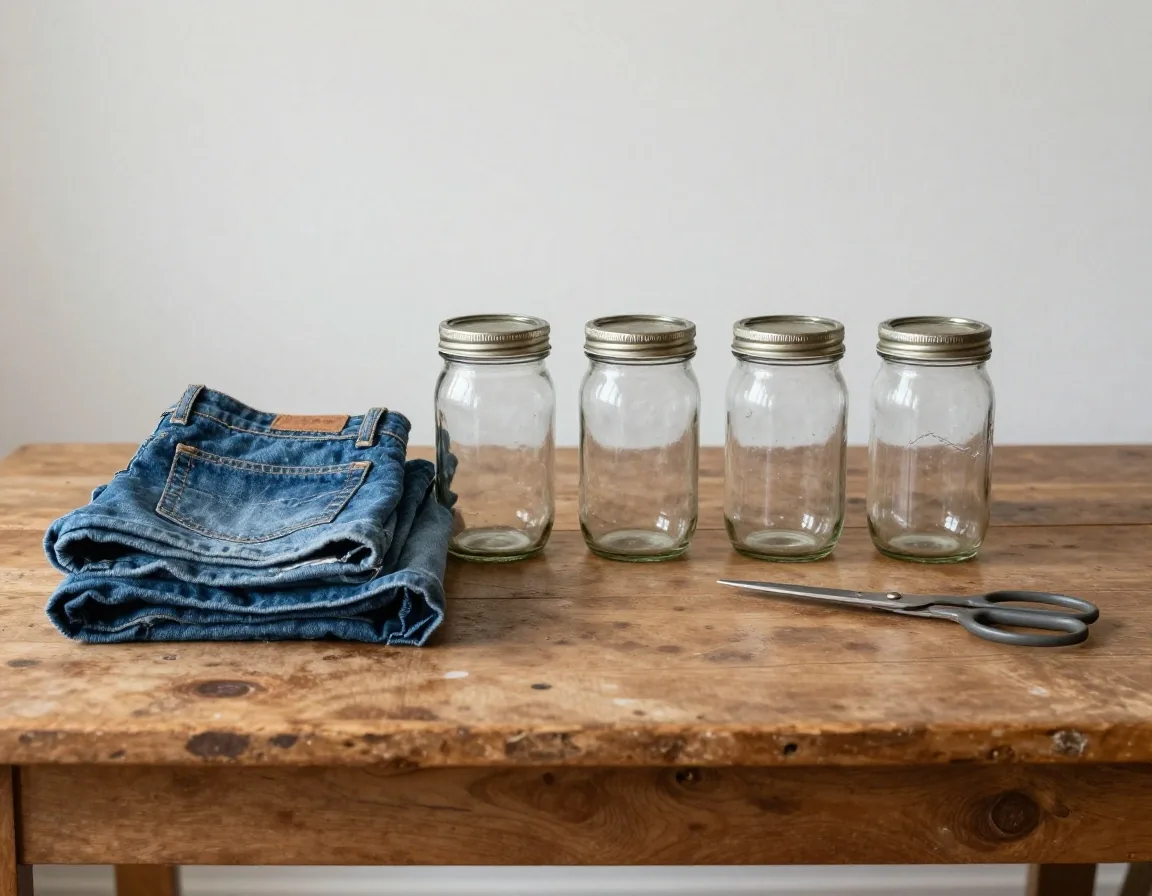
Clean empty glass jars beside folded old jeans and hand sewing on a worn kitchen table

Upcycling Projects & Ideas

Creative upcycling ideas for things that never made it into the bin: how to upcycle glass jars, repurposing old clothes, and simple upcycling projects that raise the value of something you already own.

Browse upcycling projects

When you want to go further than the bin

Reducing waste is the front door. Upcycling is what you do with the things that never made it into the bin because you did not want to throw them out. Old glass jars, worn jeans, a wobbly chair, a stained t-shirt: all of these have a second job if you give them one.

Recycling

Recycling breaks an item down into raw material and makes something new from it, usually at an industrial scale. It depends on your council collecting the material in the first place, and on the market for that material holding up.

  • Fastest route for a lot of household packaging.
  • You hand the item over and never see the result.
  • Works best when your borough actually collects it.

Upcycling

Upcycling keeps the item recognisable and raises its value by turning it into something you want to keep. A jar becomes a storage container. A jumper becomes a cushion cover. Reusing everyday items this way takes less energy than remaking the material.

  • You get a result you can see and use this week.
  • No special equipment for the first few projects.
  • Suits anyone who has already kept a box of "maybe fix that".

The difference matters when you are deciding what to do with something

Composting is easier than most people think

Food scraps are the heaviest part of many UK household bins, and most of them do not need to be there. You can compost at home with a bin in the garden, a bokashi system under the sink, or a wormery on a balcony. If you have no outside space, some councils run a food waste collection, and community compost schemes take scraps in cities including Bristol, Leeds and Manchester.

Greens Kitchen scraps, tea leaves, grass cuttings — the wet, nitrogen-heavy side
Browns Cardboard, egg boxes, dry leaves, scrunched paper — the dry, carbon-heavy side
If it smells sour Add more browns and turn it through
If nothing breaks down Smaller pieces, or a little more moisture
Learn how to compost food scraps
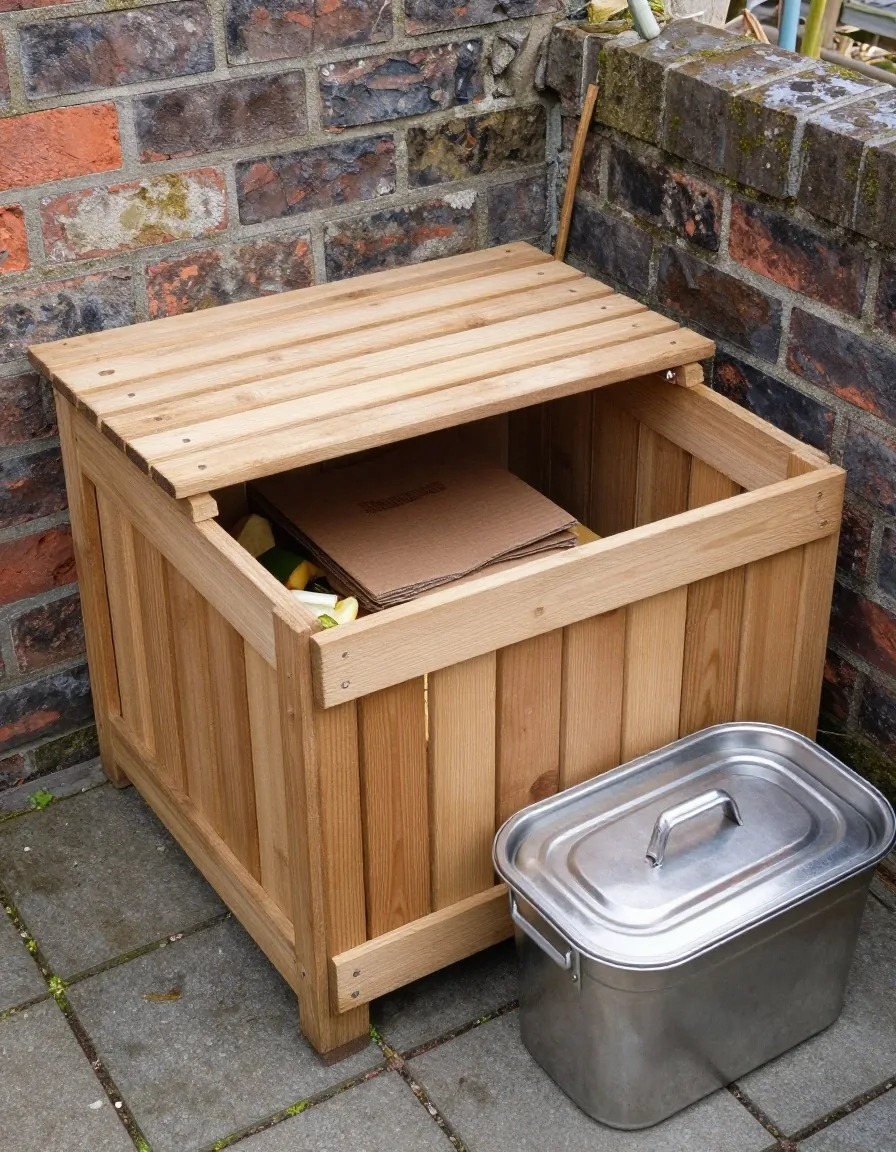
An open wooden compost bin in a small UK garden with kitchen scraps and cardboard layers visible

Shopping is where the packaging lives

Supermarket packaging is the hardest thing to avoid because you do not control it. What you can control is where you shop and how often. Refill shops, markets, greengrocers and bulk-buy sections let you take your own containers for dry goods like rice, pasta, nuts and lentils.

It takes a couple of trips to build the habit, and the cost often lands close to supermarket prices once you stop buying small packets.

Get sustainable shopping tips

What this site is not

We are not a shop, a subscription box or a certification body. We do not sell you a zero waste starter kit, and we do not claim any brand is the greenest option. Where a product type gets mentioned, it is because the method works, not because we have a deal with a supplier. Anything you buy for this, you buy yourself, from wherever you like.

We also do not promise zero waste, because almost nobody reaches it and chasing it usually ends in burnout. Low waste is the honest target: fewer things in the bin, more things reused, food scraps composted instead of binned.

Written and maintained by

Rubbish Rebels

42 Greenfield Lane, Bristol, BS5 6TY, United Kingdom

Mon–Fri 9:00–18:00 · Sat 10:00–14:00

Questions people ask before they start

Straight answers, no promises we cannot keep

Do I need to buy a zero waste starter kit to begin?

No. The useful starting point is a week of watching your bin, not a box of products. Most of the swaps people need are things they already own or can pick up second-hand.

What if my council does not collect food waste?

You have three options: a home compost bin if you have outdoor space, a bokashi bin for small kitchens, or a community compost scheme if one runs nearby. The composting page walks through each of them, including what to do if a bin starts to smell.

Is upcycling the same as recycling?

No. Recycling breaks an item down into raw material. Upcycling keeps the item and turns it into something more useful or nicer to look at, usually with less energy used. The upcycling projects page covers both routes for jars, clothes and furniture.

Do you sell anything?

No. Rubbish Rebels is a guide site, not a shop. We do not sell products and we do not earn commission from brands we mention.

How long until I see a difference in my bin?

Most people notice the general waste bin emptying more slowly within four to six weeks, once food scraps and a couple of recurring packaging items are handled differently. It is a gradual change rather than a dramatic one, which is exactly why it tends to hold.

Have a specific problem? Ask

Some waste problems are universal, like soft plastics. Others are oddly specific: a rented flat with no outdoor space, a shared kitchen with three flatmates, a baby in cloth nappies. Tell us what you are dealing with and what you have already tried, and we will answer with something that fits the constraint you actually have.

Pick one thing in your bin and deal with it this week

If you reduce your general waste by even a third over a year, that is a real result in a real UK home. Start with the guide that matches your situation and take it at your own pace.