T-shirts
Cleaning cloths
Cut past-wearing tees into squares and keep a stack under the sink. They replace shop-bought cloths, wash clean, and can go in with the eco friendly kitchen cleaning routine.
Simple upcycling projects you can start today, using items that are already in your kitchen, wardrobe and shed. Upcycling keeps an object intact and gives it a different job: a glass jar becomes food storage, a worn jumper becomes cushion stuffing, an old crate becomes a shoe shelf.
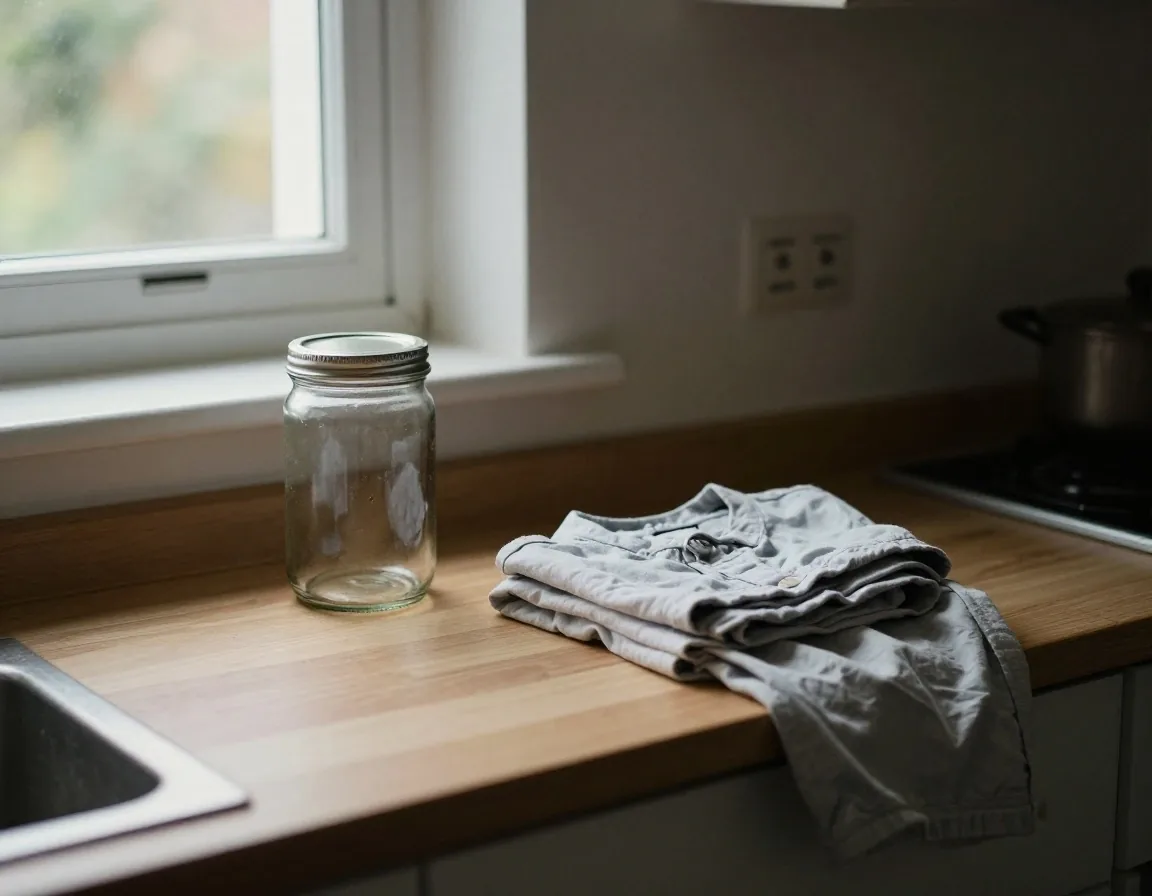
Not sure where to begin? Pick one item you were about to bin and follow it through the page.
Every project below starts with something you would otherwise throw out, so the cost stays low and the waste saved is real. Tools come from a kitchen drawer or a small toolbox.
Two different routes for the same jar
Recycling takes a material and reprocesses it. Glass is melted. Paper is pulped. Aluminium is shredded and re-formed. It works well at scale, but it needs energy and the resulting material is usually lower grade than the original, a process sometimes called downcycling.
Upcycling skips the reprocessing step. The jar you already have is not melted and remade; it becomes a jar in your pantry with a label on it. That difference matters for household waste because upcycling can happen in your kitchen today, with no infrastructure at all. It also matters for value: an upcycled object is usually worth more to you than the raw material it contains. A denim jacket cut into a bag is worth more than the cotton it is made of, in money and in usefulness.
What happens
Reprocessed into raw material, then made into something new
Kept whole and given a different job
Energy
Needs industrial heat, water or shredding
Your kitchen worktop and an hour of your time
Where it happens
Council collection, kerbside box, recycling centre
At home, on your own bench
What you get back
Lower-grade material for a new product
A useful item, usually worth more to you than the material
Best for
Broken, mixed or contaminated materials
Whole, clean items with a clear second job
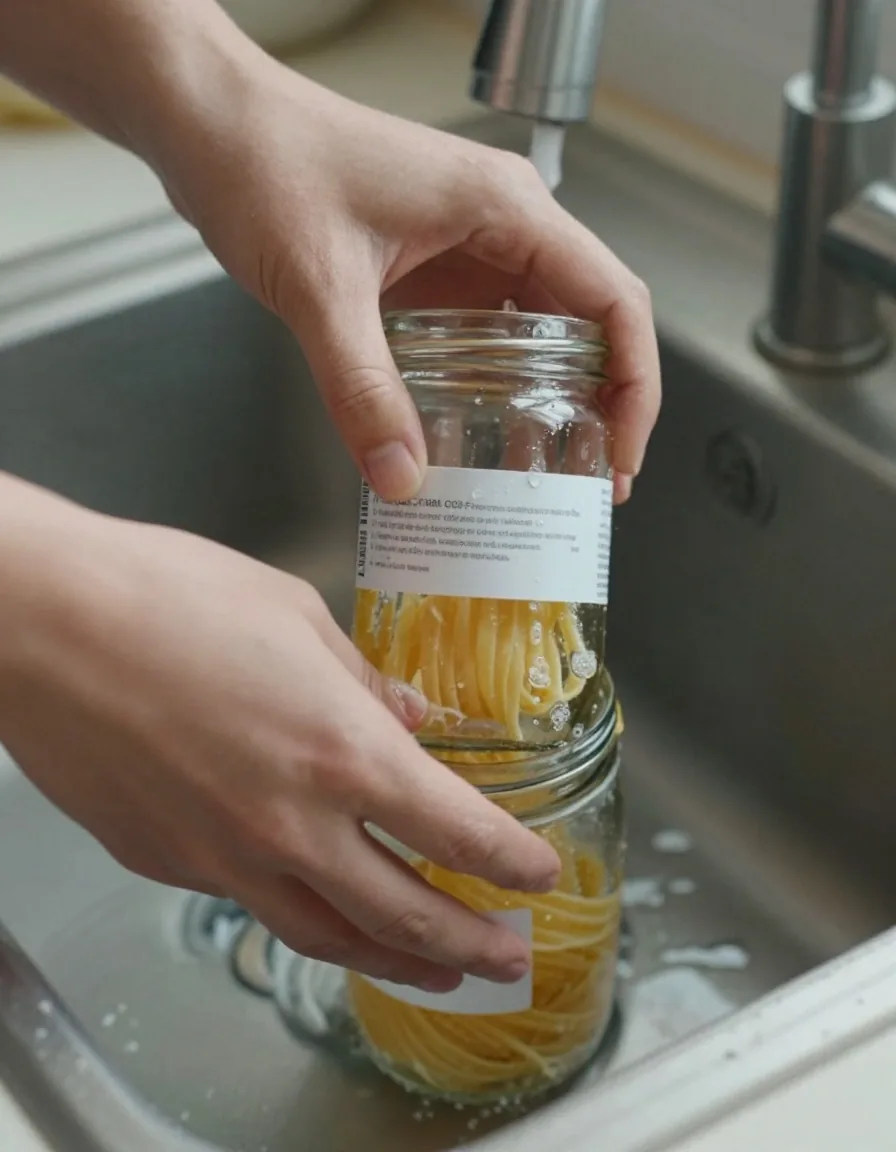
Warm water first, then scrape. Hot jars into cold water will crack.
Wash the jar and remove the label. Soak it in warm water with a splash of washing-up liquid, then scrape the label off with a butter knife or a plastic scraper. Sticky residue comes off with a little oil or a bicarbonate paste. Do not put hot jars into cold water or the other way round, because the thermal shock can crack the glass.
Once clean, the jar is ready for a new job. Paint the lid with chalkboard paint to write the contents on it, or use a strip of masking tape. A jar that held pasta sauce is the same object as a storage jar you would buy, and it cost nothing.
Kitchen
Dry goods, spices, leftovers, homemade dressing and plastic free food storage
Bathroom
Cotton buds, hair ties, soap and flannels
Shed
Screws, nails, seeds and small fixings
Growing
Plant pots, propagation vessels for cuttings, bedside pen pots
This is one of the simplest zero waste tips for beginners: the first upcycle is usually already sitting on your draining board.
Sort first, cut second
Clothes have a longer second life than most people assume. Sort into two piles before you cut anything: wearable, and finished. Wearable clothes are better sold, swapped, or given to a charity shop. Upcycling is for the pile that has reached the end of its usable life, and sorting first saves you effort on the wrong items.
Cut past-wearing tees into squares and keep a stack under the sink. They replace shop-bought cloths, wash clean, and can go in with the eco friendly kitchen cleaning routine.
Denim is tougher than most fabric you can buy. Use it for knee patches, potholders, or a tool roll if you sew. Straight-leg seams are the strongest strips.
Jumpers that have shrunk can be felted by washing hot and tumble drying, then cut into cushion covers, hot water bottle covers, or mittens.
Socks with holes become dusters, or stuffing for a fabric tube that blocks the gap under a door.
Double a shirt hem, run a drawstring through it, and you have a light bag for loose fruit and veg at the market or the greengrocer.
Snip buttons and zips off a garment first. Small tin, kitchen drawer, and you stop buying replacements.
The best upcycled home decor DIY solves a problem instead of adding an object. If you do not need the thing, do not make it. Upcycling is not an excuse to keep what you should pass on: if the finished item will sit in a cupboard, the material would have served better at a charity shop or in the recycling.
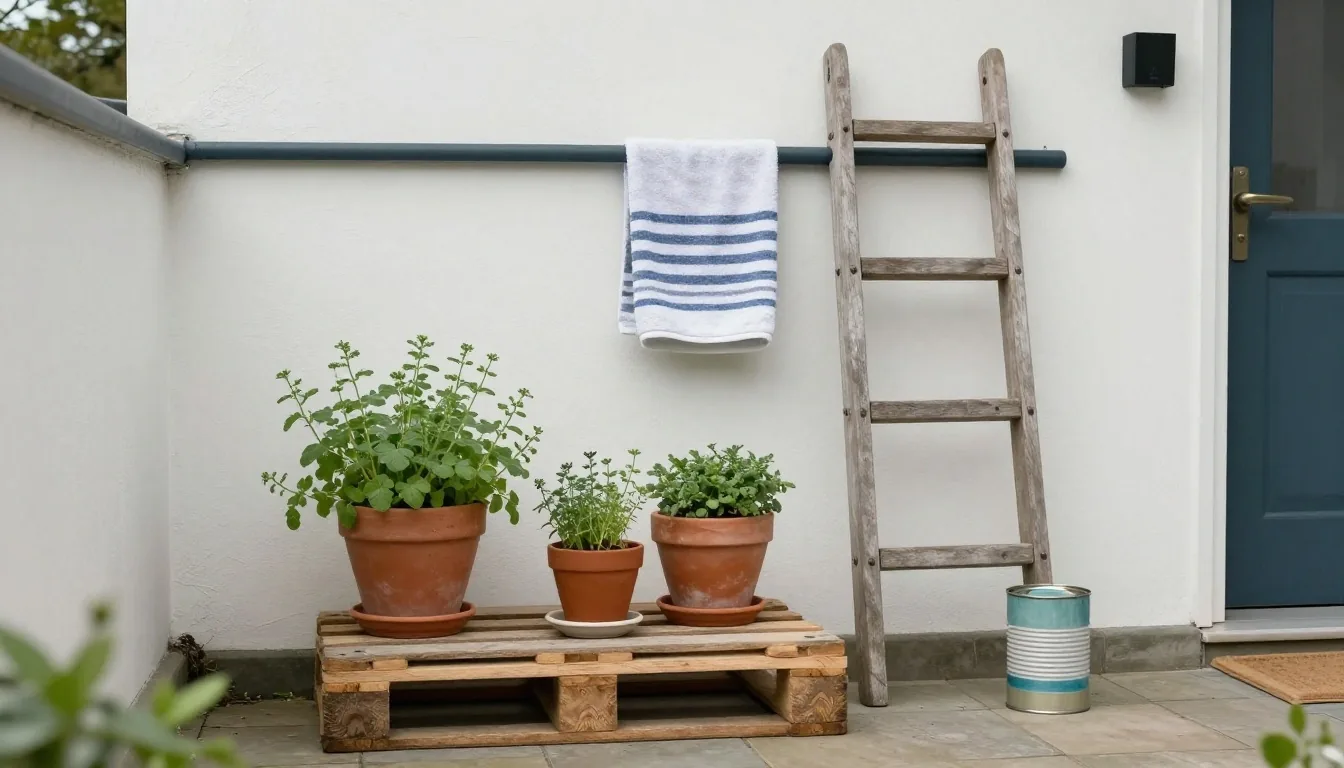
A wine crate becomes a shoe shelf. An old ladder becomes a towel rail. A sanded pallet becomes a low plant stand on a balcony.
Shoe shelves, plant stands, small storage steps. Sand the edges, then seal with an offcut-friendly oil or wax so it survives a damp hall.
Clean, dry, then paint. Desk pen pots, utensil holders, a scoop for bulk goods. File the cut rim so nothing snags a hand.
A broken drawer becomes wall-mounted spice shelving. Keep the runners, brackets and hinges: they are the parts that cost money.
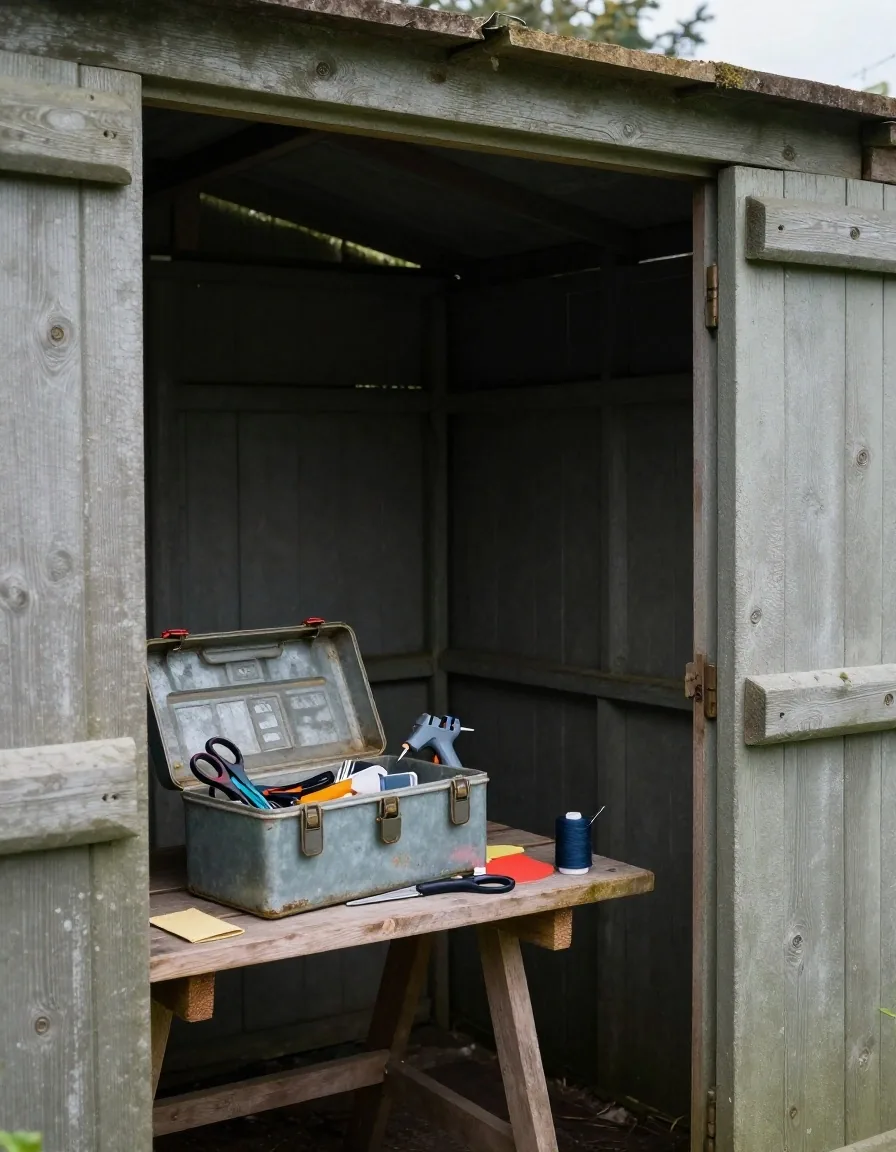
You do not need a workshop. Most of these simple upcycling projects use scissors, a craft knife, sandpaper, a hot glue gun, a needle and thread, and a screwdriver. Everything on this list fits in a kitchen drawer or a small toolbox.
The rule of thumb: if you would not be comfortable using the item yourself after the upcycle, do not pass it on. Giving something a real second life means knowing when the honest answer is the bin, the household waste site, or the recycling box.
A coat of paint does not make a safe object.
Mould through the material
A damp duvet or a water-damaged book should be disposed of properly, not repurposed. Mould spreads through fabric and paper.
Held chemicals or oil
Paint tins and motor oil containers go to your council's household waste site, never into a plant pot or a storage box.
Safety role
A car seat or a bike helmet does its job once. The structure may be damaged even when the outside looks fine, so it should not be passed on or reused.
Passed on, not used
If you would not use it yourself, do not hand it to someone else. That is where good habits turn into clutter shifting.
When something genuinely can be saved, the pages on composting food scraps at home and sustainable shopping tips pick up where this page stops.
Most zero waste starter kit shopping lists turn out to be things you already own: glass jars with lids, a stack of cotton cloths, a refillable bottle, a set of reusable produce bags, and one beeswax wrap. Buy replacements only when something has genuinely worn out, and choose reusable produce bags and beeswax wraps that you will actually care for.
£0
Typical cost of the first three swaps, if you shop your own cupboards before you shop anywhere else.
A note on how these pages work: Rubbish Rebels is an independent UK guide. We publish practical how-to pages for beginners and link to the next step rather than selling you a kit.
Short answers before you start
Yes, for food storage and for anything you will look at often. Soak the jar in warm soapy water, scrape the label off, then remove the residue with a little oil or a bicarbonate paste.
No. Recycling breaks an item down into raw material. Upcycling keeps the item and turns it into something new, usually with less energy used and more value kept.
Yes, that is exactly what upcycling is for. Wearable clothes are better donated or swapped first. Worn-out clothes become cleaning cloths, patches, or stuffing.
Late in the chain, on purpose. Reducing what you bring in comes first, then reusing everyday items, then composting food scraps at home, and only then recycling what is left. Upcycling sits in the middle: it lets an object stay useful for another few years without any reprocessing.
Please do. Send the item you started with, the tools you used, and one photo of the finished thing to our contact page and we will look at it for a future update.
Upcycling is one part of cutting household waste. The kitchen is usually the next place to look: plastic free food storage, reusable produce bags, beeswax wraps usage and care, and the eco friendly kitchen cleaning that replaces a shelf of bottles.
Rubbish Rebels · 42 Greenfield Lane, Bristol, BS5 6TY · Monday to Friday 9:00 AM – 6:00 PM, Saturday 10:00 AM – 2:00 PM