How many
Fewer than you think
You do not need many. Three to five bags covers most households for a weekly shop. Buying a set of ten just moves the clutter from the shop to your drawer.
See what else is worth swappingSustainable shopping tips
Most of your household waste is decided before you get home. It arrives with the shopping: plastic film, trays, bags, bottles, pouches. You cannot remove all of it, because UK supermarkets control most of the packaging that reaches your kitchen. But you can shift where you shop and how often — and in most cases the total cost stays similar.
Written for UK homes: shops that exist now — no imaginary stores, no premium-only options. Questions? Send us a shopping question at our contact page.
Bring a container, buy by weight
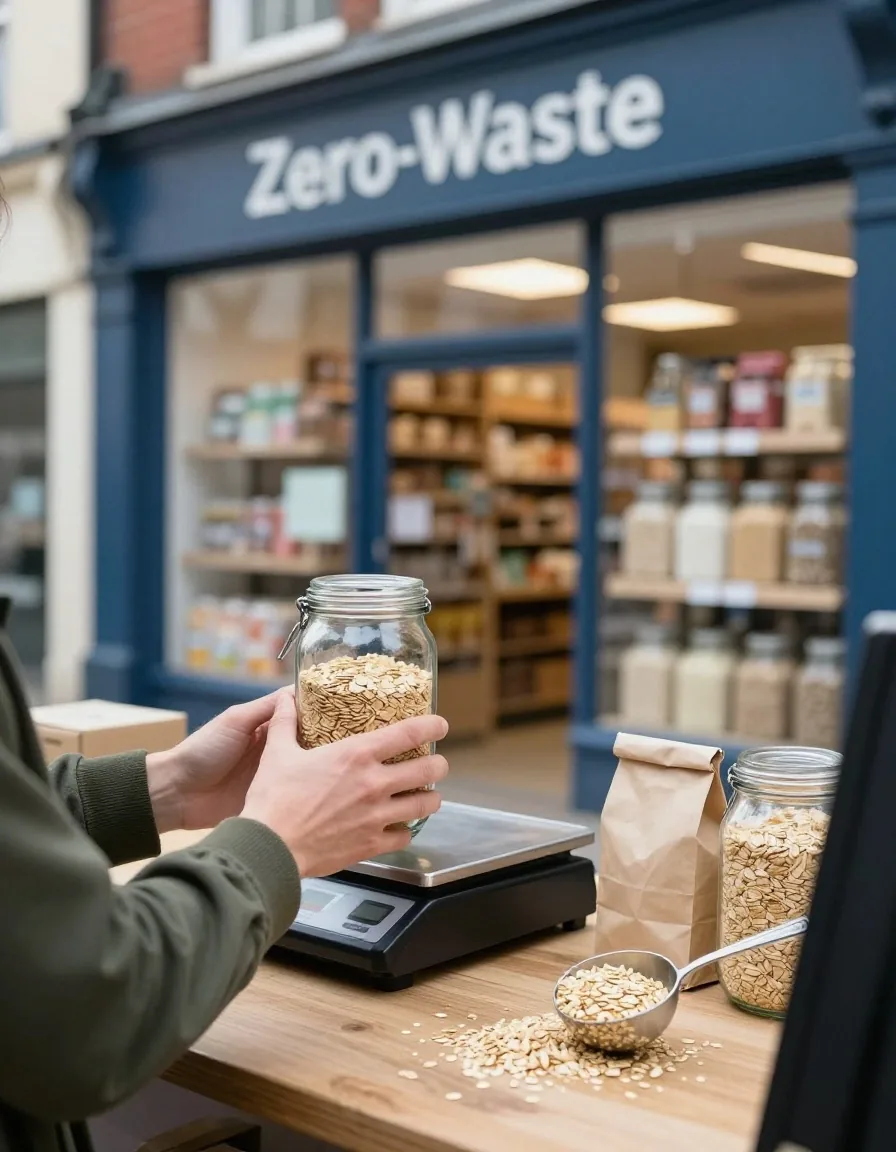
Refill shops let you bring your own containers and buy dry goods, cleaning products, and sometimes oils and liquids by weight or volume. Most UK towns of any size now have at least one. The routine is short: you weigh your empty container at the till first, fill it from the dispenser, and pay for the weight of the contents minus the container.
Prices vary widely. Some refill shops are cheaper than supermarket equivalents for things like pasta, rice and oats. Some are more expensive, especially for specialist items. The way to make it work financially is to check prices on your regular list rather than assume refill is always cheaper or always more expensive.
Take a photo of the shelf price if you are comparing, and note whether the price is per 100g or per kilo — a shop that looks dear per jar can be level or cheaper once you do the arithmetic. Buy what makes sense; skip what does not.
Buy the amount you will finish
Bulk buying only reduces waste if you will actually use the quantity. Buying 5kg of flour when you bake once a month is worse than buying 1kg four times, because half of it will go off or get weevils. The rule is simple: buy in bulk what you already use regularly, in the amount you will finish before it spoils.
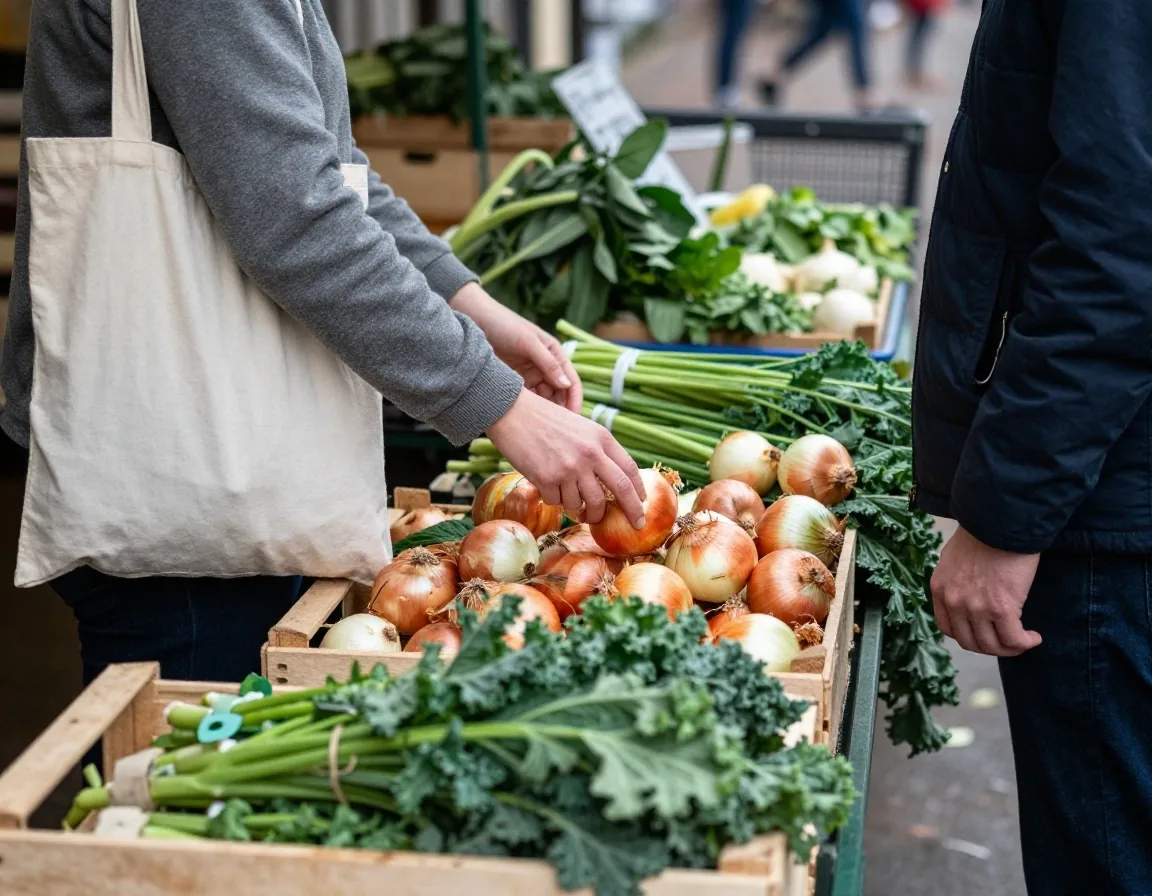
Markets and greengrocers usually sell loose produce by default, which removes the plastic film and trays that supermarkets wrap everything in. Most UK towns have a weekly market; larger cities have several.
Sometimes the produce is cheaper, sometimes it is not, but the packaging is almost always less. Take your own bags: reusable cotton or mesh produce bags work for most fruit and veg. A couple of sturdy bags handle heavier items like potatoes and onions, and a cloth wrap keeps leafy greens in good shape if they will be in your bag for a while.
Tell the trader you do not need a plastic bag. If they are already bagging items, you can ask them to stop — most will, and many markets now expect it. Going on a quieter weekday morning also means you can ask about what is in season and what is coming in cheap that week.
Three to five bags covers most homes
You do not need many. Three to five bags covers most households for a weekly shop. Buying a set of ten just moves the clutter from the shop to your drawer.
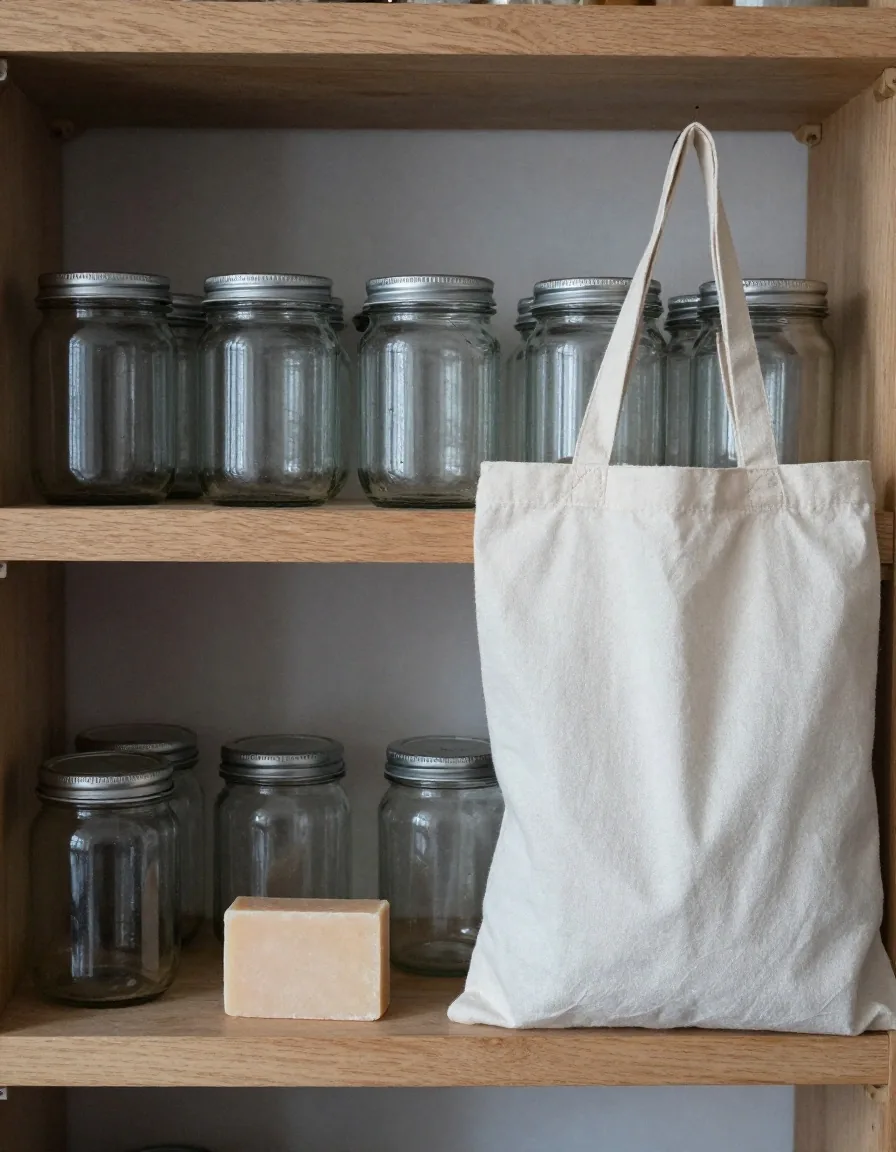
See what else is worth swappingMesh is lighter for weighing; cotton is more durable over years of washes. Old pillowcases cut and sewn into drawstring bags work just as well, and cost nothing but an evening.
Browse upcycling projectsWeigh your bags at home and note the number, or ask the shop to tare at the till. The bigger problem is remembering them: keep them in your regular shopping bag, in the car, or on a hook by the door.
If they live in a kitchen drawer, they will be forgotten. Buy fewer bags and keep them where you will actually grab them.
Concentrated, returnable, or solid
A few household items have a real environmental difference: cleaning products, washing-up liquid, laundry detergent, toilet paper, and soap. In most of these categories the refill or concentrated version cuts plastic significantly. A concentrated cleaning refill is typically a small bottle you dilute at home, replacing several full-size bottles.
Where you have a choice, favour products that arrive concentrated, in returnable containers, or as solids (bars). Dish soap bars, shampoo bars and laundry sheets replace plastic bottles. They are not always better than a refill liquid, but they remove the bottle. If a solid version of a product you already use works for you, it is a simple swap.
Eco friendly kitchen cleaning also comes down to fewer products rather than greener versions of everything. An all-purpose concentrate plus one scouring pad covers most jobs in a low waste home.
Plastic free alternatives matter most where you buy the item often — a swap you make weekly removes more packaging than one you make twice a year.
Skip anything that requires a special trip you will not be able to make regularly. Buying in bulk from a farm shop two hours away is not a sustainable habit, it is a single nice outing.
Skip eco versions of products you barely use; the upgrade does not matter if the original was not a problem. Skip reusable versions of rare-use items. If you buy takeaway coffee twice a year, a reusable cup is not the priority.
The single most sustainable thing you can buy is often nothing. Buying less of anything, including eco-friendly alternatives, beats buying more of the perfect option — and that applies to the reusable produce bags in the aisle as much as to the plastic ones.
Run your weekly list through the shops you already pass, and change the two or three lines that shift easiest.
Short answers, no sales pitch
No. Some items are, some are not. Check prices on your regular shopping list rather than assuming refill is a saving or a premium.
Only what you will finish before it spoils. Oats, rice and dried pasta keep for months in airtight containers. Flour and nuts go off faster, so buy those in smaller amounts unless you bake or cook with them weekly.
Most UK shops either tare at the till or charge you for the weight of the produce alone. Note your empty bag weight if you shop somewhere that does not tare.
Pick two lines you can change this week — refill pasta, loose veg, a concentrated cleaner — and leave the rest as it is for now. If you are not sure which swaps suit your kitchen or the shops near you, send us a shopping question and we will point you at what fits.
Rubbish Rebels is a free UK resource for zero waste living. These are the pages that pick up where this one stops.